Why Our Tarbiyah Needs Purpose – now, more than ever
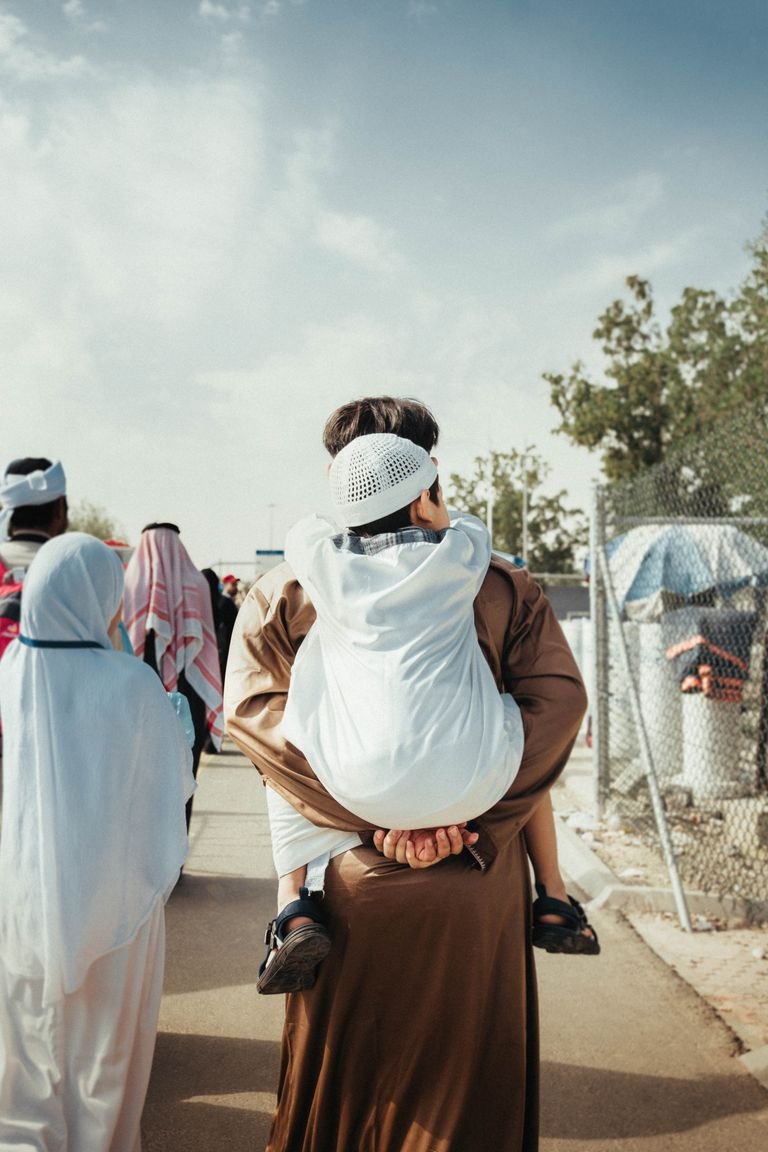
My dad was born in a village in Dura, Palestine. The world that he grew up in, back in the 1950s and 60s, sounds almost alien to me. His entire street was made up of only his close relatives, who he spent every single day around. His parents had grown up with his teachers, families would invite their local doctor over for dinner, and people knew each other’s parents, grandparents and great-grandparents. It was a community.
We always hear our parents and grandparents complaining – “back in my day…” – but to be fair to them, they probably have a point,
Back then, communities were bound together by common values, culture, and, often, religion. Children spent their days surrounded by familiar faces, interacting with relatives, neighbours, and elders who reinforced many of the same beliefs and moral principles taught within the home.
No society has ever been perfect, but parents could generally trust that the broader environment was not actively working against them.
Today, that’s just not the case.
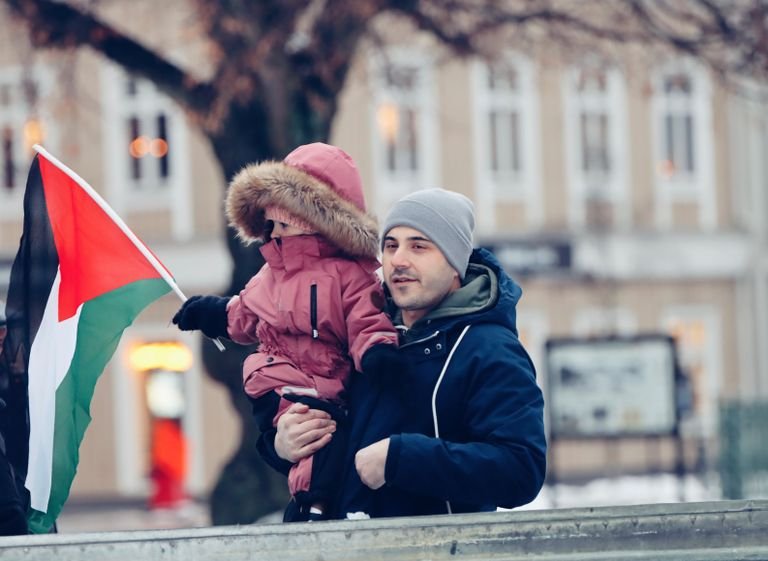
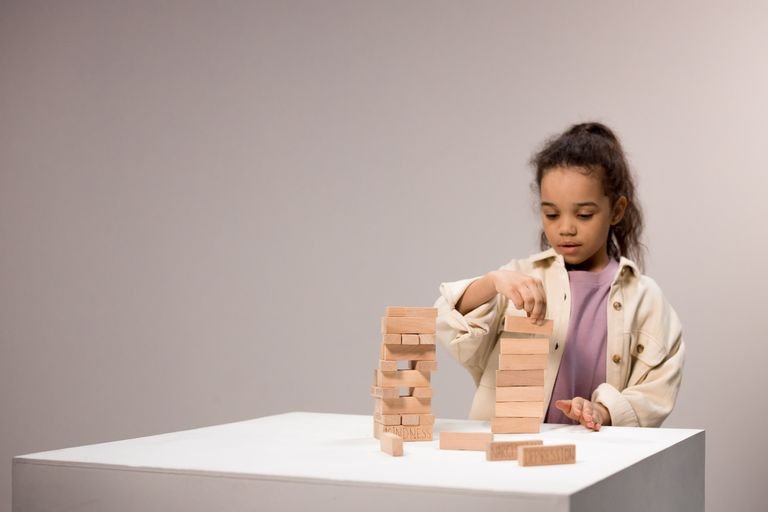
We live around more people than ever, but somehow we know fewer of them. Many of us barely know our neighbours’ names. Our children probably spend less time roaming the neighbourhood than we did growing up, but at the same time, they’re exposed to a world far bigger than anything previous generations could have imagined. A child can be sitting quietly in their bedroom, right next to their parents, while taking in the ideas and opinions of hundreds of people from across the world. TikTok. YouTube. Instagram. Netflix. Friends. Influencers. Algorithms.
Everyone is teaching our children something. And usually, they’re actively competing with the values that we as parents hope to instil – instead promoting individualism, secularism, and hedonism.
Our children are being raised in an ocean of influences. If we do not intentionally shape them, something else will.
We can’t rely on the environment anymore
For Muslims, I think this is particularly important to understand.
Many of us living in the West are raising our children in societies whose basic assumptions about life can be very different from Islam.This challenge does not only exist in the West, but even in the Muslim world itself. Speak to relatives overseas, and you will find that they share the same disconnect with the stories of how their parents grew up.
You see, the Muslim world has undergone profound political, intellectual, and cultural changes over the past century. The abolition of the Ottoman Caliphate in 1924 marked the end of the last state that operated with the Shari’ah of Allah SWT as its sole legislation and its guiding compass. Colonialism reshaped education systems, legal institutions, media and public discourse across all of our lands, leaving lasting effects that continue to influence how Muslims think about themselves, their religion, and their place in society.
Whether you’re raising your children in Sydney, London, Cairo or Jakarta, you can’t simply assume that the environment around them will naturally produce the kind of Muslim you hope they will become. We don’t live in Madinah. Our children aren’t walking outside and bumping into the Prophet ﷺ. They’re not sitting with Abu Bakr and Umar رضي الله عنهما. They’re not growing up surrounded by Sahabah who naturally reinforce everything we’re trying to teach them at home. We’re raising our kids in environments where the strongest influences are pushing secularism, consumerism, individualism, and entertainment culture.
So today, tarbiyah must be intentional.
It must be purposeful.
This begins with ourselves. Before asking, “Who do I want my child to become?” we must first ask, “Who am I becoming?” How am I serving Allah? What is my path to Jannah? What contribution am I making to His Deen? How am I benefitting my Ummah?
Because I can tell my son a hundred times that Islam should be the centre of their lives – but children learn far more from what we consistently model than from what we occasionally say. A parent with purpose is far more likely to raise children with purpose.
So who are we actually trying to raise?
This is a question I think every Muslim parent needs to sit with and reflect on.
When you imagine your child at 25 or 30 years old, who do you hope they’ve become? Not just their career, or marriage, or achievements – but who will they actually be? How will they serve the Deen and the Ummah? What unique gifts has Allah entrusted them with, and what am I doing now to recognise those qualities, nurture them and point them in the right direction?
Answering these questions transforms parenting. Every conversation becomes an opportunity for tarbiyah. Every correction becomes an opportunity to build character. Every responsibility becomes an opportunity to develop confidence. Every challenge becomes an opportunity to strengthen faith.
This cannot be done passively, and this is not a project that happens over a weekend or through a single lecture. It is the work of years, a passion project to take on for the rest of our lives – knowing our children, understanding their personalities, nurturing their strengths, correcting them with wisdom, teaching them intentionally, entrusting them with responsibility, and gradually preparing them to carry the trust that Allah has placed upon them. We’re raising a human being who, inshaAllah, will spend decades on this earth after we are gone.
But parents cannot do this alone.
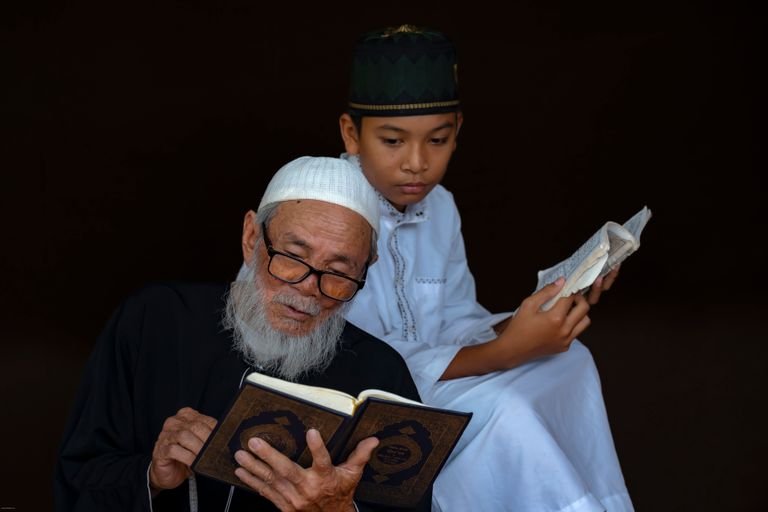
One of the greatest lessons of the Seerah is that the Prophet ﷺ did not raise a generation by himself. He cultivated a community in which every adult took an interest in the young. Children were known by name. They were greeted, encouraged, taught, loved, corrected with mercy, and entrusted with meaningful responsibilities. They belonged.
That is the culture and community we must strive to rebuild – parents, grandparents, friends, uncles, aunties, to imams, teachers, and youth leaders.
The ideal we strive towards is much bigger than improving individual families. It is to re-implement what Rasulallah ﷺ established – and what Muslims had for centuries – a society truly built upon Islam, guided by the Quran, ruling by the Shari’ah of Allah SWT, and building the values revealed to us by The All-Knowing, Most Just. As Muslims, we continue to strive towards that ideal in whatever capacity Allah has enabled us.
But this mission requires a generation who understand their purpose.
A generation raised with purposeful tarbiyah.
And there is no better place to learn that than from the One who created us, through His Book, and from the greatest teacher and role model humanity has ever known, our beloved, Abal-Qasim, Muhammad sallallahu alayhi wa sallam.
If we wish to raise a generation that knows Allah, carries responsibility, serves the Ummah and leaves behind a lasting legacy, then we must first rediscover the Prophetic methodology of raising leaders.
That is the journey this series seeks to begin.
Tarbiyah with Purpose is my way of trying to revive something I have noticed in the seerah of Rasulallah ﷺ – the way he interacted with young people around him. The lessons here are not just for parents, but in fact for every murabbi – every person tasked with tarbiyah, whether they be older relatives (grandparents, uncles, aunties, cousins, even siblings), community leaders, imams, youth mentors, or teachers. The Messenger ﷺ did not just take up the task of tarbiyah of his own children, but rather of young people all around him – and through his efforts, he raised a generation that conquered the world.
This first set of articles is a reflection on what I believe to be the overarching principles that need to guide our tarbiyah, but I hope to build on them over time with more reflections, articles, videos, social media posts and more.